Crew as Creative Partners: How Atlanta Screenwriters Can Forge Alliances with the Departments That Shape the Screen
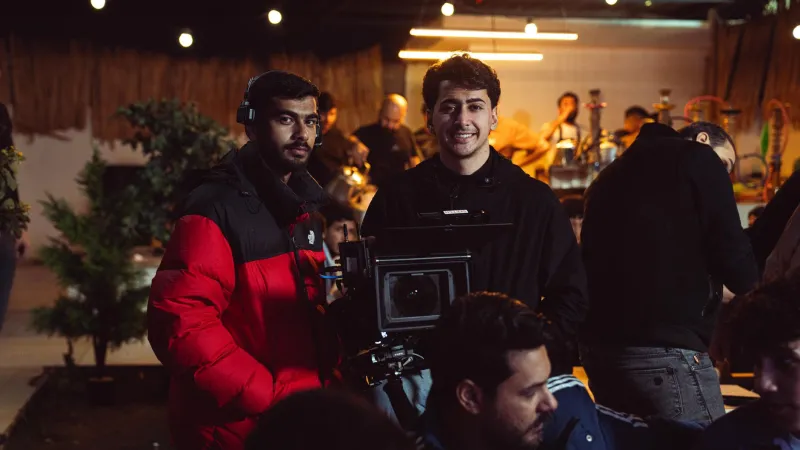
Every screenwriter knows the pitch meeting. You rehearse your logline, polish your elevator speech, and prepare to impress the producer or director sitting across the table. What far fewer writers consider is the other room—the one where a cinematographer is puzzling over how to shoot a scene written with no apparent light source, or where a production designer is quietly calculating how to build a world the script describes in two vague sentences.
In Atlanta's film ecosystem, where productions ranging from streaming pilots to major studio features move through stages and locations at a remarkable pace, the distance between a writer's vision and what ultimately appears on screen is often determined not by the director's interpretation, but by the practical and creative decisions made by departments that most writers never meet. Understanding those departments—and writing in a way that speaks to them—is one of the most underutilized advantages available to screenwriters working in this city.
The Departments Writers Forget to Consider
Below-the-line is a budgeting term, but it has inadvertently become a cultural divide in how the industry thinks about creative contribution. Directors of photography, production designers, costume designers, and sound designers are frequently excluded from conversations about story, even as their choices shape the emotional texture of every scene. A cinematographer's decision about natural versus artificial light can alter the psychological tone of a confrontation. A production designer's choice of color palette can telegraph a character's internal state before a single line of dialogue is spoken.
For Atlanta screenwriters, this matters for a specific reason: Georgia's production industry is not a distant abstraction. The crew working on the next major production shooting in Trilith Studios or on location in Midtown are your neighbors, and in many cases, they are actively looking for local material that reflects a genuine understanding of what it takes to put a story on screen. A script that demonstrates visual intelligence—one that trusts the camera to carry emotional weight, that describes spaces with specificity rather than generic placeholders—signals immediately to these professionals that the writer has thought beyond the page.
Learning to Speak the Language
You do not need a film school education to develop fluency with the technical departments. What you do need is curiosity and a willingness to listen.
Start with cinematography. Read interviews with directors of photography—many of the best are available through the American Society of Cinematographers. Pay attention to how they discuss the relationship between light, framing, and character psychology. When you write a scene, ask yourself: what is the light source? What does the frame exclude? Is the camera moving or still, and what does that choice say about the character's emotional state? You do not need to prescribe these answers in your script—over-directing on the page is its own problem—but thinking through them will make your scene descriptions richer and more purposeful.
With production design, the discipline is specificity. A script that describes a living room as "cluttered and depressing" gives a production designer almost nothing to work with. A script that describes "a room where every surface holds something that was once valuable and is now broken" gives them a philosophy. The difference between those two descriptions is the difference between a generic set and a world that feels inhabited. Atlanta has a deep pool of production designers who have worked on everything from prestige television to independent features, and they will tell you uniformly that the scripts they remember are the ones that gave them a clear emotional brief, not a furniture list.
Sound design is perhaps the most overlooked department in the writing process, and also one of the most powerful. The ambient world of your story—what characters hear, what they ignore, what intrudes on their silence—is a storytelling instrument. Writers who note the soundscape of a scene, even briefly, are giving sound designers permission to build something intentional rather than merely functional.
Building Real Relationships in Atlanta
Knowing the language is only the beginning. The more durable advantage comes from building actual professional relationships with the people who work in these departments.
Atlanta's film community is notably accessible compared to Los Angeles. Industry events hosted through organizations like the Georgia Production Partnership and various local film festivals bring together crew members, producers, and writers in informal settings where genuine conversation is possible. These are not networking events in the transactional sense—they are communities of practice, and showing up with real questions about how productions work will earn more respect than arriving with a stack of business cards.
Consider attending post-production screenings and Q&A events where cinematographers and designers discuss their process. Many are eager to talk about their craft with writers who demonstrate genuine interest. Some Atlanta-based production companies offer set visits or educational programming that can give writers direct exposure to how departments operate during production. Take those opportunities seriously.
When you do make connections, approach them as a student before you approach them as a collaborator. Ask about the scripts that made their jobs easier and the ones that created unnecessary obstacles. Ask what writers consistently misunderstand about their department's capabilities and constraints. These conversations will reshape how you write in ways that no craft book can replicate.
Writing Toward Production
The practical result of these relationships and this knowledge is a different kind of script—one that is written toward production rather than merely toward story. This does not mean compromising your vision or writing small. It means understanding that every choice you make on the page creates either opportunity or friction for the people who will translate it into images and sound.
A script that accounts for the golden hour light of a Georgia summer afternoon, that places a crucial scene in a location that offers genuine visual distinction rather than convenience, that builds its soundscape with as much intention as its dialogue—that script will move differently through the production process. It will attract the attention of department heads who recognize a writer who understands what they do. And in a city where the industry is growing faster than the local talent pipeline can always keep pace with, that recognition matters.
Atlanta's screenwriting community has an opportunity that is genuinely rare: proximity to a world-class production infrastructure and the cultural mandate to tell Southern stories with Southern specificity. The writers who will make the most of that opportunity are not necessarily the ones with the most polished pitches. They are the ones who understand that storytelling is a collaborative act that begins long before the director calls action—and who have the relationships and the craft knowledge to honor that collaboration from the very first draft.


